
Before and After Stem Cell Hair Treatment: What Nobody Tells You
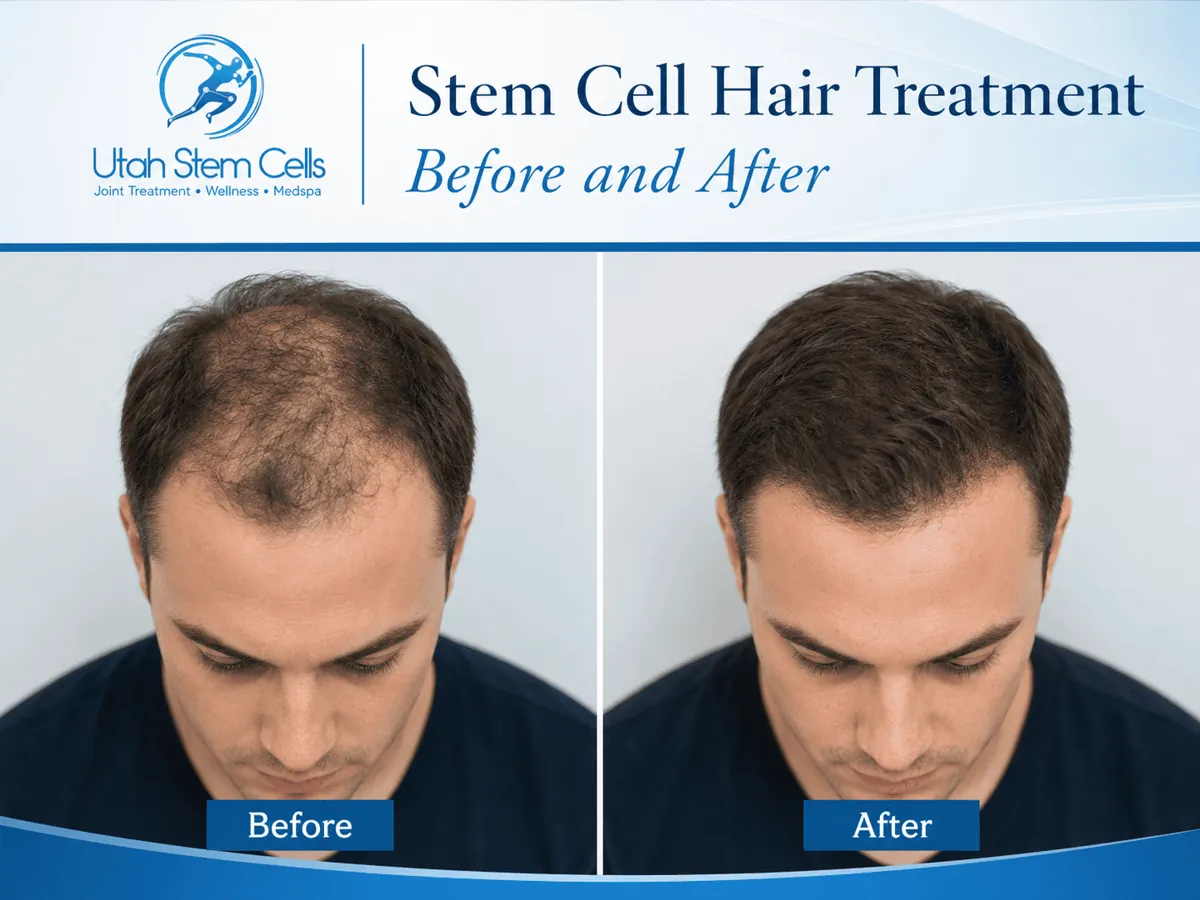
stem cell hair treatment before and afterresults, you are probably looking for a clear answer: does this treatment really help with hair loss?
Stem cell therapy is one of the most discussed regenerative options for hair restoration because it aims to reactivate weakened follicles, improve scalp health, and support natural hair growth without surgery. In this article, we explain how it works, what kind of results you can expect, how long they take to appear, and who may be a good candidate.
How Stem Cell Hair Treatment Works
Unlike a hair transplant, which moves existing follicles from one area of the scalp to another, stem cell therapy works by supporting the follicles that are already present.
The treatment usually involves injecting concentrated regenerative cells or growth factors into areas of thinning hair. These substances may help reduce inflammation, improve blood flow, nourish the follicles, and stimulate cellular repair.
The goal is not to create an artificial result, but to help dormant or weakened follicles become more active again. This is why stem cell hair restoration is often most effective when hair loss is still in the early or moderate stage.
Stem Cell Hair Treatment Before and After: What Results Look Like
When comparing stem cell hair treatment before and after photos, the most common improvements are usually related to density, thickness, and scalp coverage.
Patients who respond well may notice less shedding, stronger hair shafts, fuller-looking hair, and gradual regrowth in areas that were previously thinning. Improvements are often more visible around the crown, hairline, or areas where the scalp had started to show through.
However, expectations must be realistic. Stem cell therapy works best when follicles are still present but inactive or weakened. Completely bald areas, especially where hair has been absent for many years, may respond less effectively because there may be fewer viable follicles to stimulate.
This is why a proper scalp evaluation at a qualified stem cell treatment center is essential before deciding whether the procedure is right for you.
When Do Results Become Visible?
Stem cell hair restoration is a gradual process. Hair grows in cycles, and the follicles need time to respond to the regenerative stimulation.
During the first few weeks, most patients do not see major visible changes. Some may notice reduced shedding or a healthier scalp. Between the second and third month, finer new hairs may begin to appear, and existing hair can start to look stronger.
The most noticeable improvements usually develop between three and six months. At this stage, density, thickness, and coverage may become easier to compare in before and after photos.
Optimal results are often evaluated between six and twelve months after treatment, when the new growth has had time to mature and blend naturally with the existing hair.
Why Results Vary from Patient to Patient
Not every patient will achieve the same stem cell hair treatment before and after outcome. Several factors influence the final result.
The stage of hair loss is one of the most important. Early to moderate thinning generally responds better than advanced baldness. The treatment is also more promising when the follicles are still visible and active enough to be stimulated.
Other factors include age, general health, hormonal balance, scalp condition, nutrition, stress levels, circulation, and lifestyle habits. Smoking, poor sleep, high stress, and untreated health issues may reduce the quality of the response.
Aftercare also matters. Following the provider’s instructions, avoiding harsh treatments immediately after the procedure, and maintaining healthy habits can help support better long-term results.
Stem Cell Therapy vs. Other Hair Restoration Options
Stem cell therapy is different from traditional hair restoration methods because it focuses on regeneration rather than replacement.
A hair transplant can be effective for advanced hair loss, but it is surgical, requires donor follicles, and involves recovery time. PRP is also minimally invasive, but stem cell therapy may offer a broader regenerative effect depending on the protocol used.
Topical treatments such as minoxidil and oral medications such as finasteride may help some patients, but they usually require continuous use. Stem cell therapy may be considered by people looking for a non-surgical option that works with existing follicles and produces gradual, natural-looking changes.
In some cases, providers may recommend combining stem cell therapy with PRP, topical treatments, supplements, or low-level laser therapy to support stronger results.
What Happens During the Treatment?
The process usually begins with a consultation and scalp analysis. The provider reviews your hair loss history, examines the scalp, checks the condition of the follicles, and determines whether you are a suitable candidate.
The treatment session is generally quick and minimally invasive. A numbing agent may be applied to reduce discomfort, and the regenerative solution is injected into targeted areas of the scalp.
Most patients can return to normal activities shortly after the procedure. Mild redness, tenderness, or swelling may occur, but these effects are usually temporary.
Patients are commonly advised to avoid washing the hair for the first 24 to 48 hours, avoid intense exercise for a few days, and follow any specific aftercare instructions provided by the clinic.
Who Is a Good Candidate?
The best candidates for stem cell hair treatment are usually men and women with early to moderate thinning, visible miniaturized follicles, receding hairlines, widening parts, or reduced density at the crown.
It may be especially useful for patients who want a non-surgical approach and still have enough viable follicles in the treatment area.
Less ideal candidates include people with completely bald areas where follicles have been absent for many years, active scalp infections, certain autoimmune conditions, or unrealistic expectations of overnight regrowth.
A consultation is necessary because the success of the treatment depends heavily on follicle viability and the cause of hair loss.
Cost and Longevity of Results
The cost of stem cell hair restoration can vary depending on the clinic, location, provider experience, treatment area, and type of regenerative product used.
In many cases, the investment is higher than basic topical treatments or standard PRP sessions, but lower than or comparable to more advanced hair restoration procedures. Some clinics may also offer financing options.
Results may last one to three years or longer, depending on the patient’s biology, maintenance plan, lifestyle, and whether complementary treatments are used. Some patients choose follow-up sessions after 12 to 24 months to maintain or improve their results.
Possible Side Effects
Stem cell hair treatment is generally considered minimally invasive when performed by qualified medical professionals. Still, it remains a medical procedure and should be approached seriously.
Common temporary side effects may include mild redness, tenderness, swelling, bruising, or temporary shedding. These effects usually improve within a short period.
More serious complications are uncommon, but infection or poor results can occur if the treatment is performed in an unsafe setting or with low-quality products. For this reason, choosing a reputable provider is essential.
How to Maximize Before and After Results
To improve the chances of a positive outcome, patients should prepare their scalp and overall health before treatment. Good nutrition, hydration, stress control, quality sleep, and avoiding smoking can all support the regenerative process.
After the procedure, it is important to follow all aftercare instructions carefully. This may include avoiding harsh shampoos, chemical treatments, intense exercise, or unnecessary scalp manipulation during the first healing phase.
Long-term maintenance can also make a difference. Some patients benefit from supplements, topical treatments, PRP maintenance, low-level laser therapy, or lifestyle changes that support hair and scalp health.
Frequently Asked Questions
How soon can I wash my hair after treatment?
Most providers recommend waiting 24 to 48 hours before washing the hair, but you should always follow your clinic’s specific instructions.
Is stem cell hair treatment painful?
Most patients report only mild discomfort. A numbing agent is usually used to make the injections more comfortable.
Can women benefit from stem cell hair treatment?
Yes. Women with thinning hair, widening parts, or diffuse hair loss may be good candidates, especially when follicles are still present.
How many treatments are needed?
Some patients see improvement after one session, while others may benefit from additional treatments depending on their response and goals.
Can stem cell therapy regrow hair in completely bald areas?
Results are usually limited in areas where follicles have been absent for many years. The treatment works best when follicles are weakened or dormant, not completely gone.
Conclusion
Stem cell hair treatment before and after results can be encouraging, especially for patients with early to moderate hair loss and viable follicles. The treatment may help improve density, thickness, scalp coverage, and overall hair quality in a gradual and natural-looking way.
However, it is not a miracle cure and it does not work equally for everyone. The best outcomes depend on proper candidate selection, realistic expectations, high-quality treatment protocols, and consistent aftercare.
If you are looking for a non-surgical option to address thinning hair, stem cell therapy may be worth discussing with a qualified hair restoration specialist. A professional evaluation can help determine whether this approach is suitable for your specific type of hair loss and your desired results.